Creative. Observant. Always Looking Deeper.
Addison was a storyteller, designer and builder who noticed the details other people might miss. She was creative, caring and deeply observant, with an ability to look beyond how someone appeared and consider what they might be carrying underneath.
As the youngest and only girl of five children, Addison understood what it felt like to find her own place. Books and theatre became spaces where she could see herself more clearly, explore different perspectives, and feel connected to something larger.
She was especially drawn to stories about outsiders—people who did not always fit neatly into the world around them but found strength through friendship, empathy and belonging.
The ability to see others as more than just how they present themselves was one of the qualities Addison learned to recognize and appreciate in herself.
See Addison’s Theater Design portfolio.
THE GIRL BEHIND THE WORK
Addison did not simply watch stories unfold. She studied how they were constructed.
She noticed how lighting could change the meaning of a line, how color could communicate power, and how the smallest movement of a set piece could transform an entire stage.
For Addison, technical theatre was a way to bring imagination into the real world.
Addison described herself as “hyper-observant.” She noticed details, emotions, and perspectives that others sometimes overlooked. That instinct shaped the way she understood people and approached every creative project.
Addison loved the entire technical theatre process—from the first sketch to the final construction. She designed, cut, built and painted sets using drills, table saws, chop saws, electric staplers and everything else to bring a production to life.
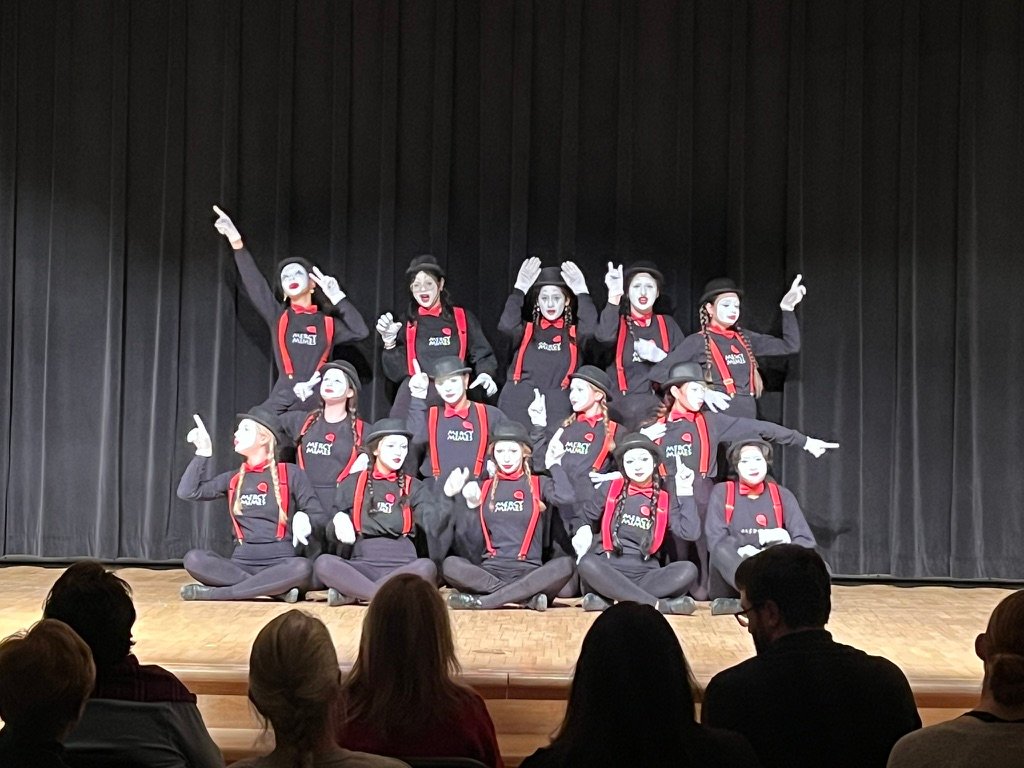
Theatre gave Addison more than a creative outlet. It gave her a community and a sense of belonging. Through stage crew, she found supportive friendships and a place where her ideas, talents and hard work mattered.
Together for Good
Addison’s connection to The Outsiders began during a time when she often felt like an outsider herself. Through Ponyboy Curtis, she found a character who was young, observant and still open to changing how he saw the world.
The Outsiders helped Addison move toward a more glass-half-full outlook. It encouraged her to look beyond people’s actions, appreciate the qualities that made her different, and recognize the importance of finding friends who loved and supported her for exactly who she was.
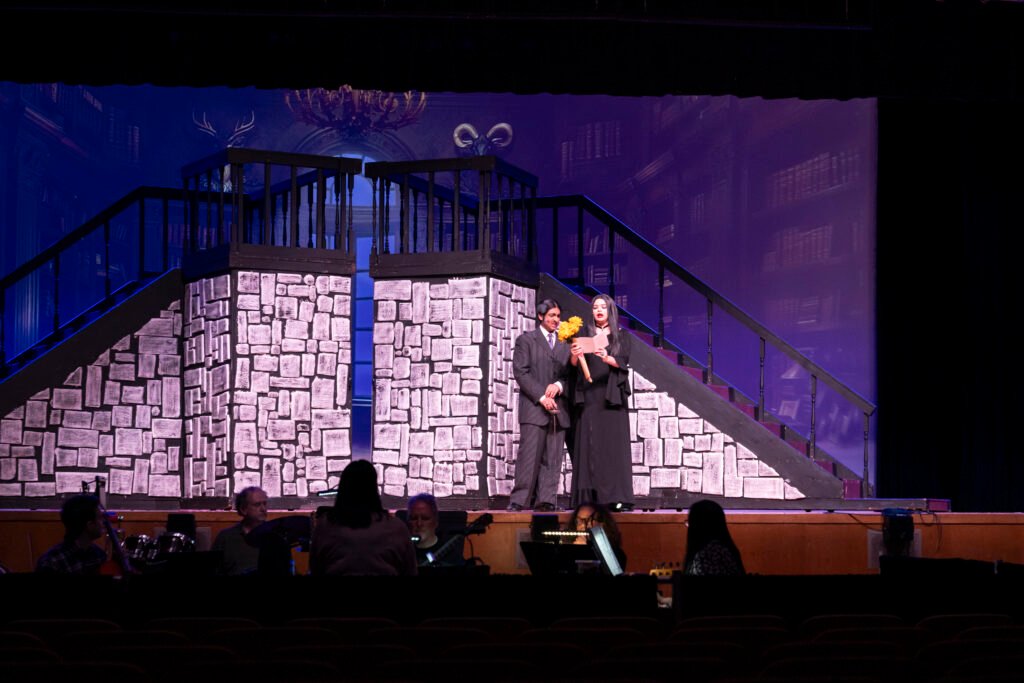
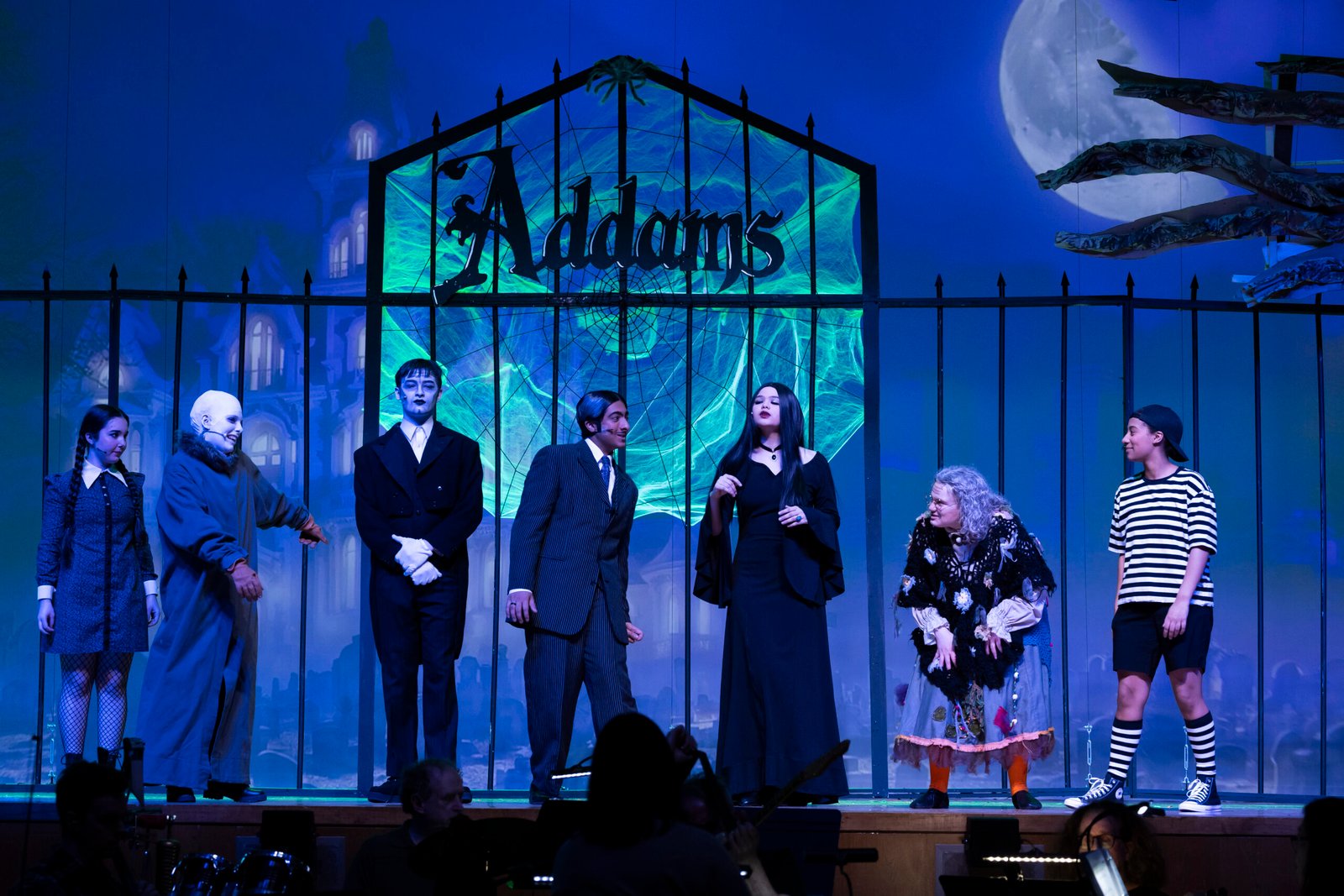
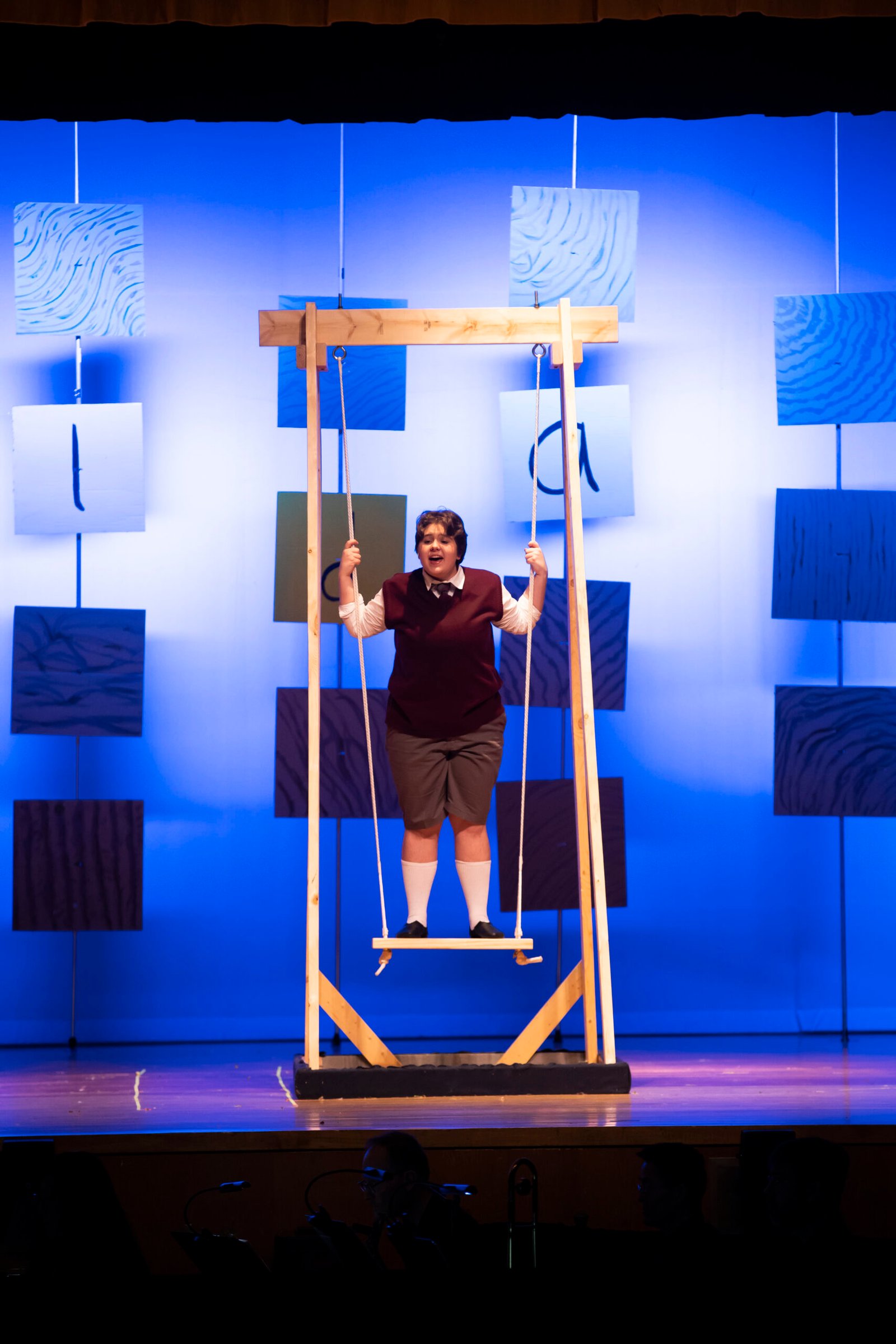
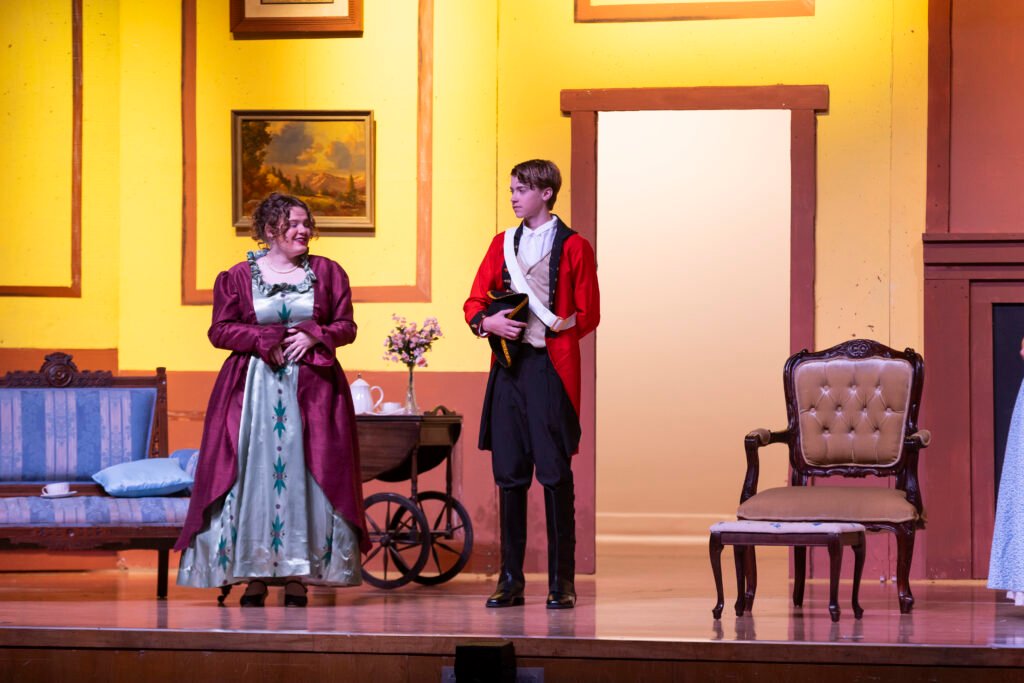
Addison contributed to Mercy High School productions including Clue, Matilda, Angels of Bataan, Frozen, Pride and Prejudice and The Addams Family.
Her portfolio also included scenic designs for Pride and Prejudice and The Giver, a complete scenography concept for The Outsiders, and creative work in costuming, makeup, ceramics and physical drawing.
IN ADDISON’S WORDS
Addison’s creativity, compassion and love of storytelling came through clearly in her own words. This essay offers a glimpse into how deeply theatre shaped the way she saw the world.
Most people read The Outsiders for the hot guys, but for me, the attractiveness was within the personality and experiences of the characters. Ponyboy Curtis always stuck out to me. He was the youngest, the most hyper-observant in the group, had a glass half-full mindset, and I came to realize, I had all the same things. I’m not only the youngest of five children, but I’m also the only girl. Ponyboy understands all of his friends’ minds and how they work. He knows he is still young enough to change his thoughts and how he sees the world. That spoke volumes to me. I’m grateful for Ponyboy because he exemplifies that it’s normal to not fit in everywhere you go. He proves that as long as you have a support group, you can tackle any obstacle. Through elementary and middle school, I had always felt like an outsider. I seemed to constantly analyze everyone around me, but no one would even look at me. The long, dark-haired girl was always the girl who bullied me the most. Everyone idolized her, so she felt she could bully those who didn’t. She would push me, make back-handed comments like “I love how your glasses cover your eyebrows,” and then all her friends would laugh. She made up a “fake” person and would tell everyone about how weird she was, how ugly she was, and how loud she was. I came to find out years later, she was talking about me.The dark-haired girl and her friends were my Socs, they never even tried to see the good parts of me. I wanted to transfer every year I was there. After reading The Outsiders, I wanted to see the dark-haired girl and her friends how Ponyboy saw the Socs. He realized that they have issues too, and everyone is just trying to get by. I took this perception of life and applied it into my life. I saw them as people who were struggling, too. I found out the dark-haired girl had lots of issues with her parents, and I started to see her as a girl who was battling with family issues, and couldn’t help but push that onto others, even if it was just me. While Pony’s escapism is the movies, mine ended up being the story and the entire world of The Outsiders.
As I moved throughout the rest of middle school, I found myself indulging in the world any chance I could get, any time I was feeling down, there I was, right back in the story. Relating to Ponyboy helped me to find myself and pivoted my view of life to glass half-full, instead of always being glass half-empty. As I went to high school, I noticed life wasn’t all that bad. I escaped the “weird girl” box my middle school classmates had put me into, just like Ponyboy curbed the systematic separation of his hometown. I was finally seen as just a normal girl, and not someone who no one wanted to hang out with. Through The Outsiders, I found all the parts of myself I could appreciate. My hyper-observant mind is something to celebrate. My hair, my eyes, my caring personality, my ability to see others as more than just how they present themselves. I found that life truly wasn’t as bad as I was making it out to be. High school aided me in finding those true friends, my greasers, and getting to that “other side” I didn’t know existed. Finding those friends that supported me and loved me for who I was highlighted the importance of having a support group around you, especially in those tough times. Everyone was more mature and cared less about me, since they were too busy caring about themselves.
Through relating to Ponyboy and experiencing the world of The Outsiders, I started to indulge myself in more books, finding ways to relate myself to the characters in new literature. Everything I’d read, I would find a way to insert myself into that story. I had only ever read books because I had to, but I noticed relating myself to the characters was a form of escapism I didn’t know I needed. The immense gratitude I felt towards Ponyboy motivated me to seek out reading as more of a hobby than just a thing I had to do for school. I read Hearstopper and found my struggle with bullying through Charlie. I read The Summer I Turned Pretty and found my escaping from the “weird girl” box and becoming a normal girl in high school through Belly. The gratitude I felt for Ponyboy has served me through the rest of my life by motivating me to go out and find those friends who supported me, experiencing true friends, having an overall better quality of life, and actually enjoying school for the first time in my life.